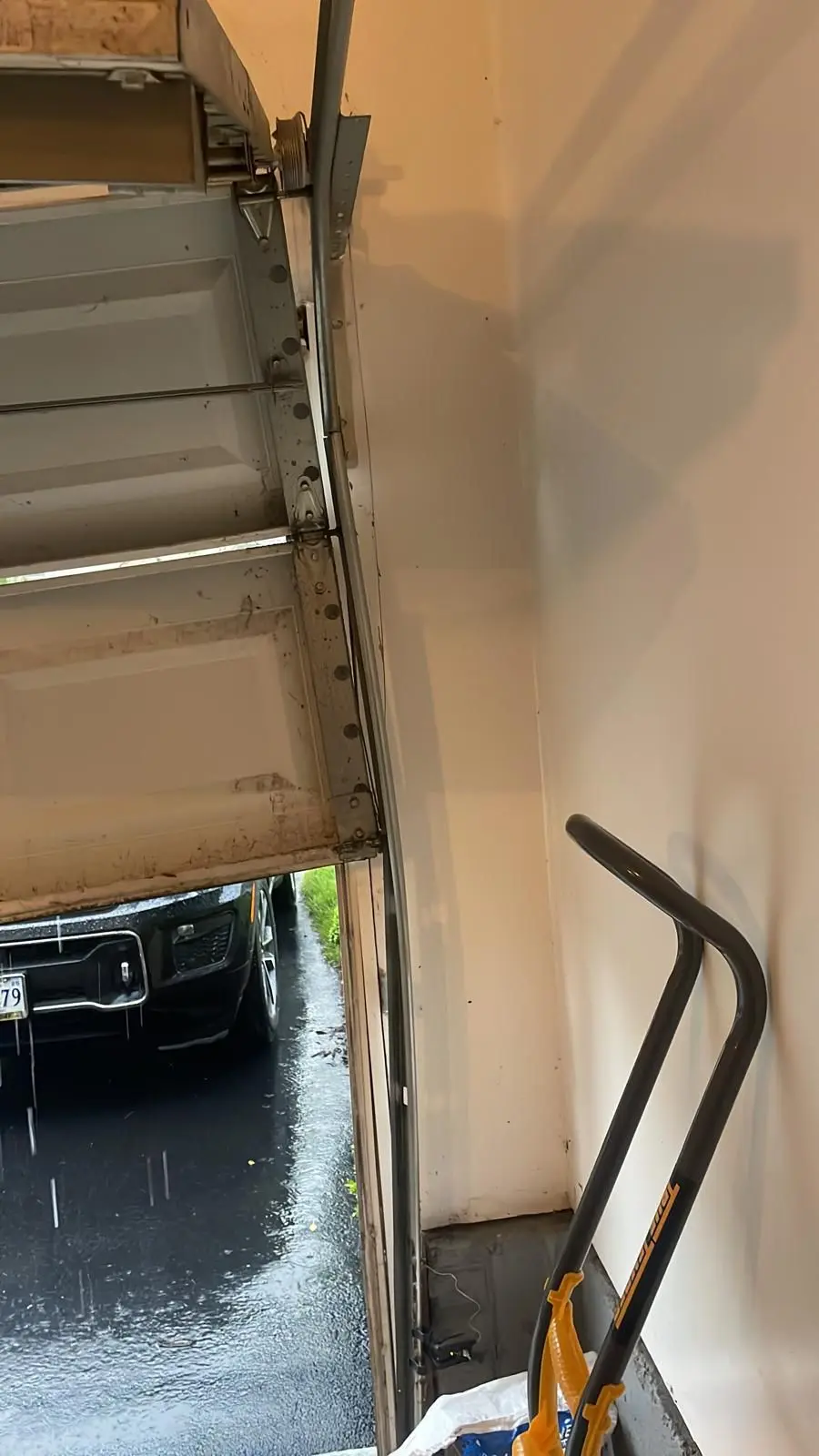
A homeowner called on a January morning after overnight temperatures had dropped to around 8 degrees. The garage door had worked fine the evening before but wouldn’t budge when she tried to leave for work. The opener ran, the motor hummed, and nothing moved. After getting there and doing a quick inspection, the bottom seal had frozen solid to the concrete threshold overnight. The door wasn’t broken. It was just stuck to the floor. A little heat and a simple adjustment to the seal resolved it in under 20 minutes, but the call came in as an emergency because she had no way to know the difference between a frozen seal and a snapped spring.
That’s the challenge with winter garage door problems in Connecticut. The symptoms often look the same regardless of whether the underlying cause is minor or serious. Understanding what actually happens to a garage door system in cold weather makes it easier to identify problems quickly and, more importantly, to prevent most of them before the temperature drops.
Why Connecticut Winters Are Particularly Hard on Garage Doors
Bloomfield sits in Hartford County, where winter temperatures regularly fall below 20 degrees for extended periods and sometimes drop well below zero during cold snaps. That kind of sustained cold affects garage door systems in ways that warmer climates simply don’t experience.
Metal contracts in cold temperatures. Torsion springs, which are already under significant tension, become more brittle as the temperature falls. The coil steel that handles thousands of cycles during normal conditions becomes less forgiving when it’s cold, which is why spring failures spike sharply between November and February across the region. A spring that might have lasted another season under moderate temperatures can snap during the first hard freeze.
Lubricants thicken in cold weather. Grease and oil that keep rollers and hinges moving freely become sluggish when temperatures drop, which means components that were working smoothly in October start creating drag and resistance in December. That resistance doesn’t just make the door slower. It forces the opener motor to work harder on every single cycle throughout the winter.
The freeze-thaw cycle that Connecticut experiences through late fall and early spring adds another layer of stress. Components expand and contract repeatedly as temperatures swing above and below freezing, and that repeated movement accelerates wear on seals, hardware, and the door panels themselves.
Homes throughout the Bloomfield service area deal with these conditions every year, and the doors that hold up best are the ones that get attention before winter arrives rather than after something fails.
Frozen Seals and Threshold Issues
The bottom seal on a garage door sits between the door and the concrete floor when the door is closed. When temperatures drop below freezing and there’s any moisture present, that seal can bond to the floor overnight. It doesn’t take much. Condensation from temperature changes, snow melt tracked in from vehicles, or even humidity from inside the garage is enough.
- When the opener tries to lift a door that’s frozen to the floor, one of two things happens. Either the door breaks free with a jolt that stresses the opener motor and the top panel attachment point, or the opener’s resistance sensor stops the cycle before anything moves. Neither outcome is good over time.
Preventing frozen seals starts with the seal itself. A rubber seal that has hardened and cracked from age doesn’t compress evenly against the floor, which creates gaps where water can pool and refreeze. Replacing a worn bottom seal before winter is one of the most cost-effective preventative steps available. Beyond that, applying a silicone-based lubricant to the seal surface in fall helps maintain flexibility and reduces the likelihood of it bonding to the threshold on cold nights.
If the door does freeze overnight, don’t force it with the opener. Use a heat gun or hair dryer along the bottom edge to gently break the bond. A plastic scraper along the threshold helps once the ice releases. Forcing it risks damaging the seal, the bottom panel, and potentially the opener.
Spring Failures Spike in Cold Weather
This point deserves direct attention because spring failures are the single most disruptive winter garage door problem and the one most likely to leave a door completely non-functional.
Torsion springs are rated for a specific number of cycles, typically around 10,000 for standard residential springs. That wear accumulates gradually, but cold temperatures accelerate the final failure. A spring that’s at 80 percent of its rated life going into winter may not make it through to spring. The combination of metal brittleness in cold temperatures and the added strain of lifting a door with thickened lubricants creates conditions where marginal springs fail.
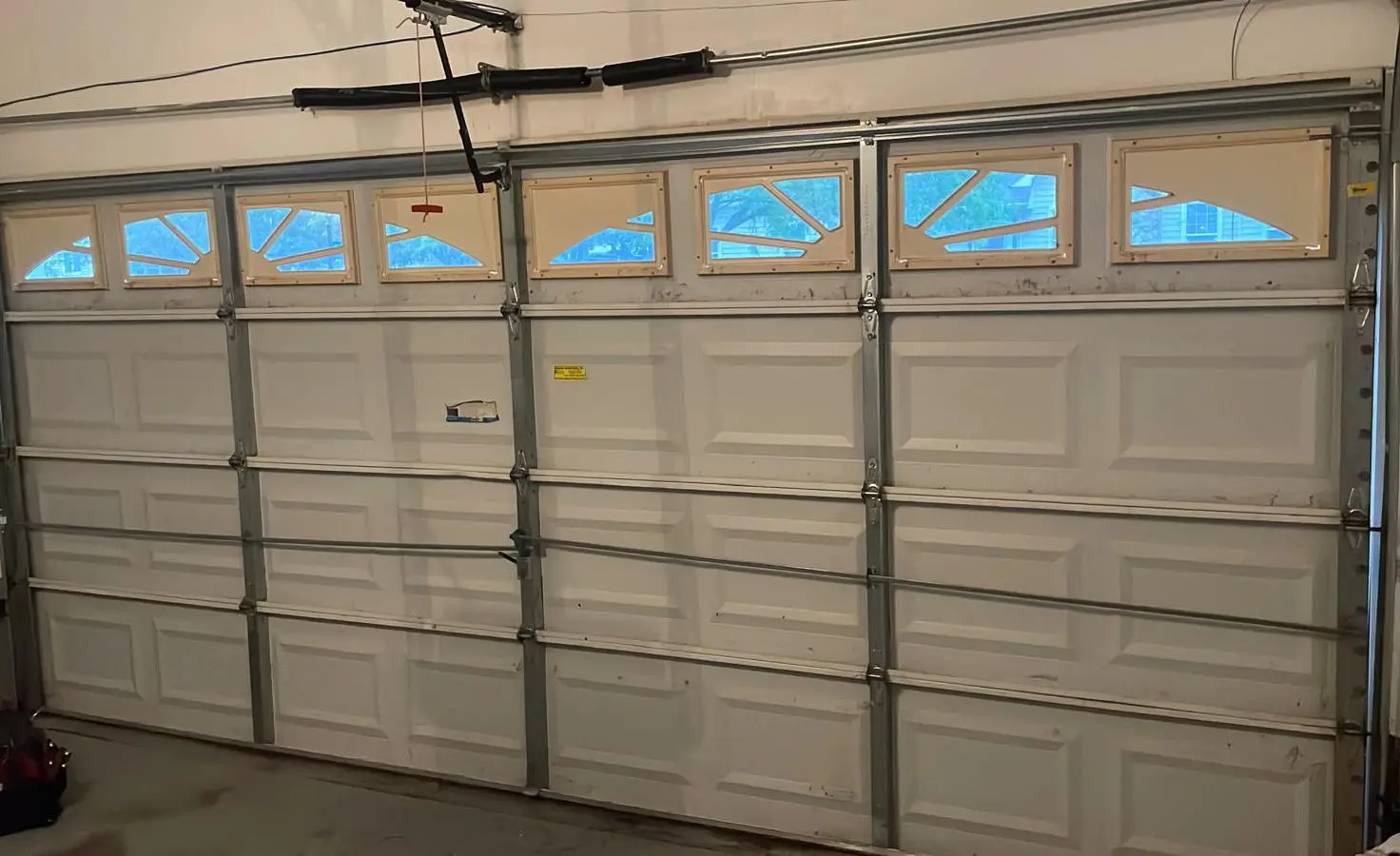
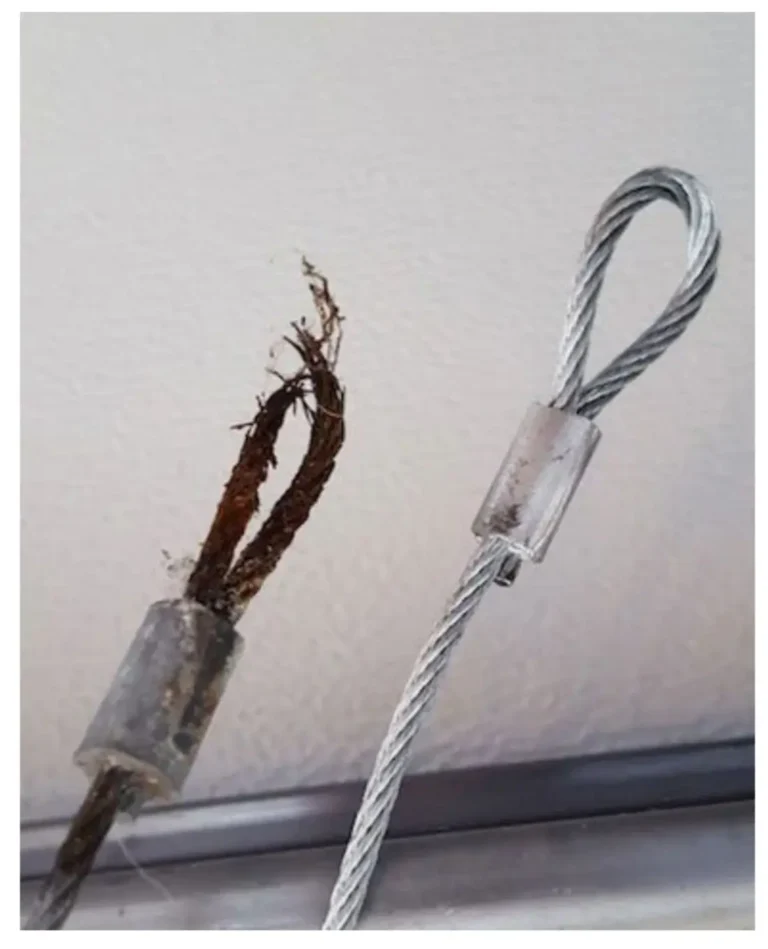
The warning signs are worth knowing. A door that feels unusually heavy when lifted manually, cables that look slightly slack or uneven, or a door that opens more slowly than usual are all indications that spring tension has decreased. Hearing a loud bang from the garage during cold weather is almost always a spring that has snapped. After that, the door either won’t move or hangs at an odd angle depending on whether one spring or both have failed.
Getting springs inspected before winter sets in, particularly on systems that are five or more years old, prevents most cold-weather spring failures. A technician can measure the actual tension against the door’s weight and identify springs that are approaching the end of their service life while replacement is still planned rather than urgent. The garage door repair services available locally cover full spring inspections and replacement as part of pre-winter preparation.
A Second Field Example From a Bloomfield Winter
During a particularly cold stretch in February a couple of years back, a homeowner on the west side of Bloomfield reported that his door had been working fine all fall but started reversing about two-thirds of the way down every time temperatures dropped below 25 degrees. On warmer days it closed without issue. On cold nights it reversed consistently.
After ruling out the sensors, the actual cause was the opener’s down-force setting. Openers have an adjustable force setting that determines how much resistance triggers a reversal. During installation, that setting had been calibrated for normal operating conditions. In cold weather, the combination of thickened roller lubricant and a bottom seal that had hardened slightly created just enough extra resistance to trigger the reversal threshold, but only when it was cold enough for both factors to be present simultaneously.
Adjusting the force setting for winter conditions and lubricating the rollers with a low-temperature lubricant resolved the problem. The practical takeaway is that an opener calibrated for summer conditions may need adjustment for winter, and a door that reverses inconsistently in cold weather isn’t necessarily broken. It may just need recalibration for the season.
Rollers, Hinges, and Hardware in Cold Conditions
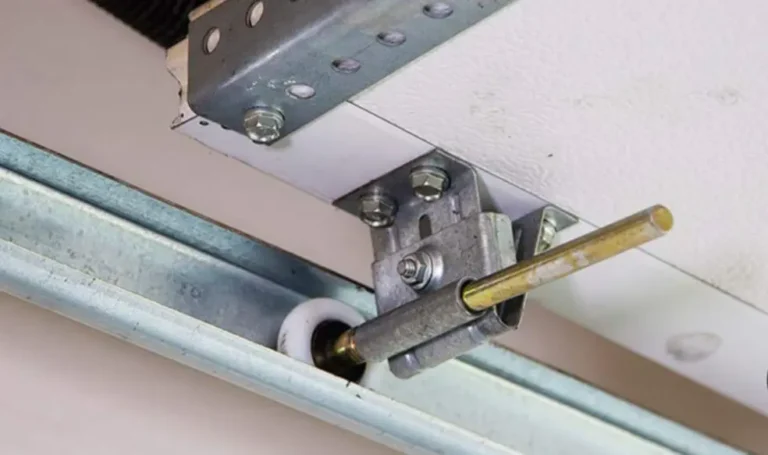
Standard nylon rollers become more brittle in cold temperatures and can crack or chip during winter, particularly on doors that haven’t been lubricated recently. A cracked roller creates a rough ride through the track, which causes noise, binding, and stress on the hinges and track mounting hardware.
Steel rollers hold up better in cold conditions but still need proper lubrication to move freely. Lubricant applied in the fall before temperatures drop significantly gives it time to penetrate the bearing before it thickens. Using a lithium-based or silicone spray rather than standard oil matters here because those formulations maintain their properties better in cold temperatures.
Hinge bolts and track mounting hardware are worth checking in late fall as well. Temperature cycling causes metal to expand and contract, and bolts that were snug in October can work slightly loose by January. A door with loose track hardware vibrates and rattles during operation, and that movement accelerates wear on every component attached to the track.
Weatherstripping on the Sides and Top
The seals along the sides and top of the door frame, called weatherstripping, keep cold air, water, and pests out of the garage. In winter, compromised weatherstripping means the interior of the garage gets much colder, which affects everything stored inside, including vehicles, plumbing that runs through the garage space, and the door components themselves.
Weatherstripping cracks and pulls away from the frame over time. Running a hand along the edges of the closed door on a cold day tells you immediately whether the seals are doing their job. Feeling cold air coming through means the seal has failed. Replacing weatherstripping before winter is straightforward and inexpensive compared to the cost of frozen pipes or a persistently cold garage.
Pre-Winter Maintenance Prevents Most of These Problems
The pattern across winter garage door failures is consistent: most of them are predictable, and most of them are preventable with attention in September or October before conditions deteriorate.
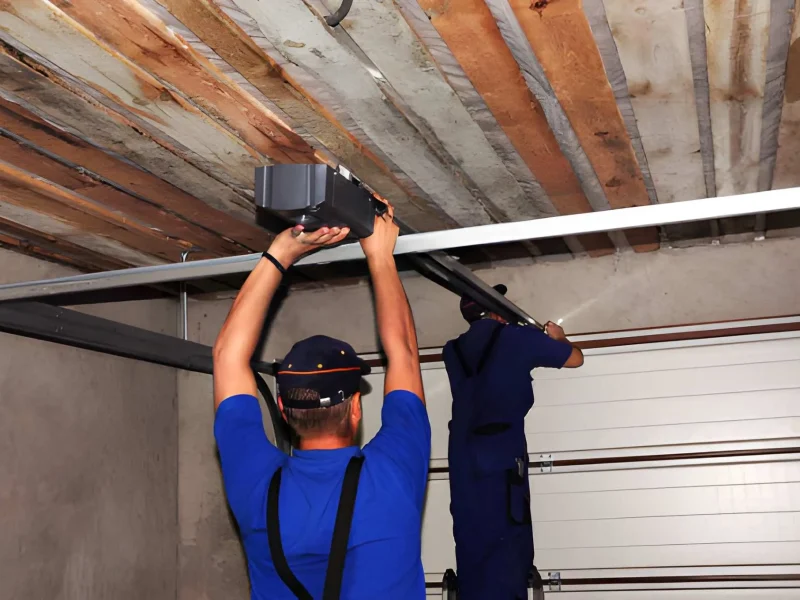
A pre-winter maintenance visit covers the components that cold weather stresses most. Springs get checked for tension and wear. Rollers and hinges get lubricated with products appropriate for cold temperatures. Seals get inspected and replaced if they’ve hardened or cracked. Opener force settings get verified. Track hardware gets tightened. The whole system gets tested under realistic conditions so that anything marginal gets caught while a planned repair is still an option.
For homeowners who want to handle some of this themselves, the priorities are lubrication and seal inspection. Everything involving springs or cables under tension is better left to a professional. If something does fail during winter, emergency garage door repair is available for urgent situations, but the goal of fall maintenance is making that call unnecessary.
Why Winter Maintenance Matters
Why Winter in Connecticut will stress every mechanical system in a home, and the garage door is no exception. The doors that make it through without incident are the ones that got proper attention before the temperature dropped. Entrilift Garage Door works with homeowners throughout Bloomfield and the surrounding area, and you can read local customer experiences on Yelp before scheduling. Reach out through the contact page to arrange a pre-winter inspection while there’s still time to address what’s found.
Frequently Asked Questions
Why won’t my garage door open on cold mornings? The most common causes are a bottom seal frozen to the threshold, thickened lubricant creating too much resistance for the opener, or a spring that has snapped in cold temperatures. Check whether the door is frozen to the floor before assuming a mechanical failure.
How do I prevent my garage door from freezing to the ground? Apply a silicone-based lubricant to the bottom seal before winter and replace any seal that has hardened or cracked. Clearing snow and ice from the threshold area prevents the moisture that causes freezing in the first place.
Common Winter Garage Door Questions
Why does my garage door reverse in cold weather but work fine in warmer temperatures? Cold temperatures increase resistance from thickened lubricant and hardened seals. If that added resistance exceeds the opener’s force threshold, it triggers a reversal. Lubricating the rollers and adjusting the opener’s down-force setting for winter conditions usually resolves this.
Do garage door springs really break more often in winter? Yes. Cold temperatures make spring steel more brittle and less forgiving. Springs that are already worn are significantly more likely to fail during cold snaps. Having springs inspected in fall catches ones that are unlikely to survive the winter.
What lubricant should I use on my garage door in winter? Use a lithium-based grease or silicone spray. These maintain their lubricating properties better in cold temperatures than standard oils. Apply to rollers, hinges, and the torsion spring coil. Do not apply to the tracks.
Can cold weather damage my garage door opener? Indirectly, yes. When the door is harder to move due to cold, the opener works harder on every cycle. Sustained overloading shortens the motor’s lifespan. Keeping the door’s mechanical components properly lubricated reduces the strain on the opener during winter.
How do I know if my garage door’s weatherstripping needs replacing before winter? Close the door and check for visible light or feel for cold air along the edges and top. Weatherstripping that is cracked, compressed flat, or pulling away from the frame is no longer sealing properly and should be replaced.
What’s the best time to schedule winter garage door maintenance in Connecticut? September or October is ideal. That gives enough time to identify worn components and schedule any needed replacements before cold weather creates urgency. Waiting until December means competing for service appointments during peak demand.
Why does my garage door move slowly in cold weather? Lubricant thickens in cold temperatures, which creates resistance throughout the roller and hinge system. Fresh lubrication with a product rated for low-temperature performance usually restores normal speed. Worn rollers that were adequate in warm weather may also become a binding problem once they stiffen in cold.
Is it worth getting a professional inspection before winter even if the door seems fine? Yes. Most winter failures come from components that were technically functioning before the cold hit. A professional inspection measures tension, checks wear levels, and catches what looks fine from a distance but won’t hold up through a Connecticut winter.