
A homeowner in Bloomfield called one cold January morning because their garage door wouldn’t open. The opener was running, the lights were on, and everything seemed normal except the door barely moved. The family assumed the opener had failed. After a quick inspection, the actual problem was a broken torsion spring. The loud bang they heard the night before wasn’t something falling in the garage. It was the spring snapping under tension. The vehicle was trapped inside, and repeated attempts to force the opener had started damaging other parts of the system.
Situations like this happen more often than people expect. A garage door works every day without much attention until something goes wrong. Springs wear out, rollers lose their smooth movement, cables stretch, and hardware gradually loosens. Connecticut weather adds another challenge. Freezing temperatures, snow, ice, and humid summers all affect moving parts.
Knowing when to call a professional can prevent a small repair from becoming a major expense. If your garage door starts behaving differently, these seven warning signs should never be ignored.
Unexpected breakdowns can happen at any time, and understanding how a professional team handles urgent situations can help when immediate attention is needed through their emergency repair services.
1. Your Garage Door Makes Strange Noises
Garage doors naturally create some sound while operating. Rollers move through tracks, hinges pivot, and the opener motor does its job.
What should raise concern are new or unusual noises.
Grinding can indicate worn rollers.
Scraping often points to tracking problems.
Popping may signal a spring beginning to fail.
Loud banging can mean a spring has already broken.
One local inspection involved a door that made a loud popping sound every morning. The owner assumed cold weather was causing metal parts to shift. The actual problem was a cracked torsion spring. Replacing it early prevented damage to the opener and cables.
Strange sounds are often the first warning that a component is wearing out.
2. The Door Opens Unevenly
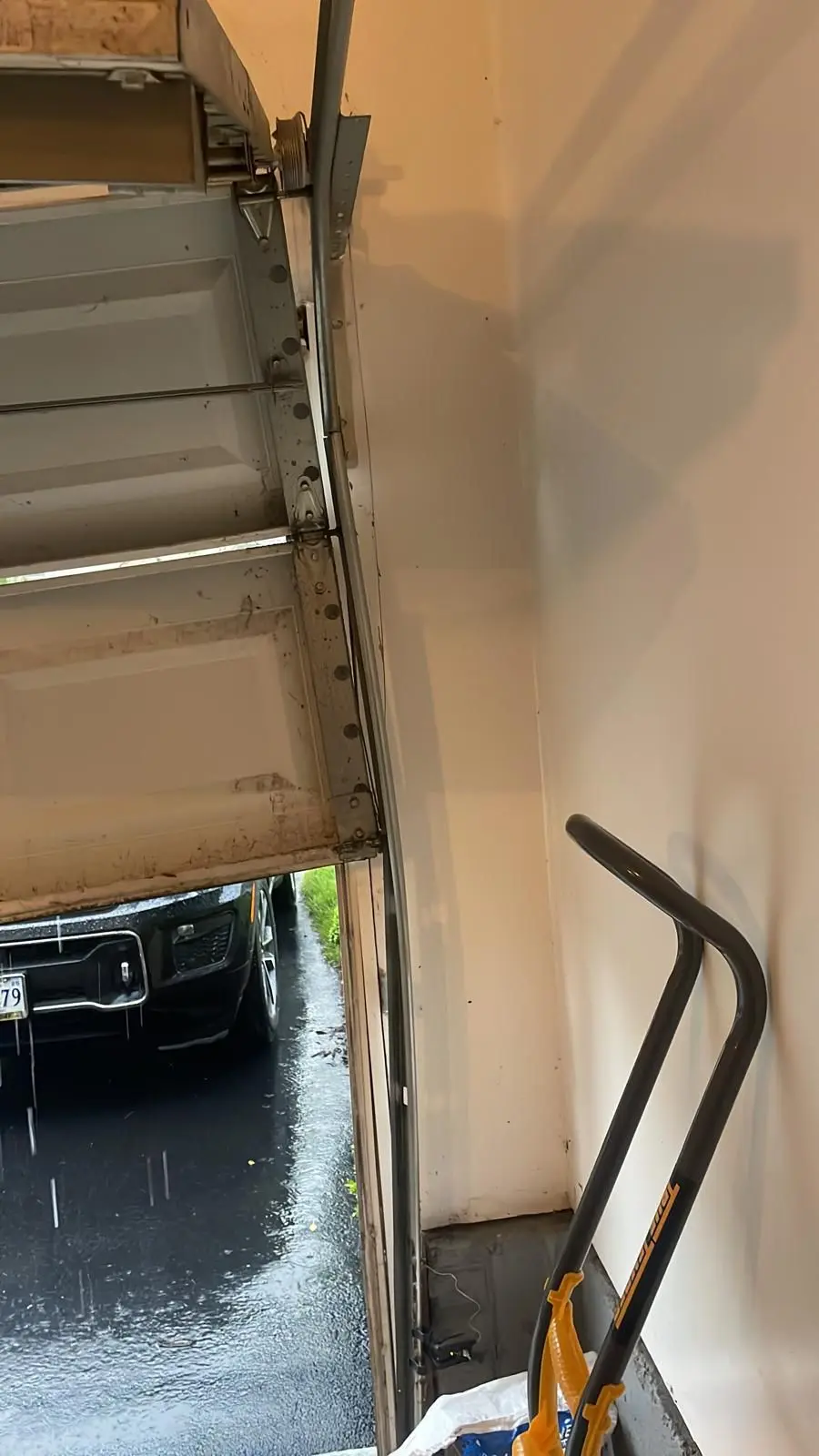
A garage door should rise evenly from both sides.
If one corner lifts faster than the other or the door appears crooked, something is affecting the balance.
Common causes include:
- Broken cables.
- Weak springs.
- Bent tracks.
- Loose brackets.
Bloomfield has many older neighborhoods where garages have settled slightly over the years. Seasonal freeze and thaw cycles can gradually affect alignment, making regular inspections valuable.
Operating an uneven garage door places extra stress on every moving part. Eventually, the opener has to work harder, increasing repair costs.
3. The Door Suddenly Feels Heavy
Many people don’t realize the opener doesn’t actually lift most of the weight.
Garage door springs do the heavy lifting.
A properly balanced door should feel manageable when disconnected from the opener.
A recent inspection involved a homeowner convinced their opener was failing because the door moved slowly. The motor wasn’t the problem. The springs had weakened after years of use and could no longer support the weight properly.
The opener had been compensating until it started overheating.
Understanding how these systems work together helps explain why routine garage door maintenance and repair solutions can prevent larger issues.

4. The Door Reverses Before Closing
Modern garage doors include several safety features.
If the door starts closing and suddenly reverses direction, something isn’t working correctly.
Dirty sensors are one possibility.
Other causes include:
- Bent tracks.
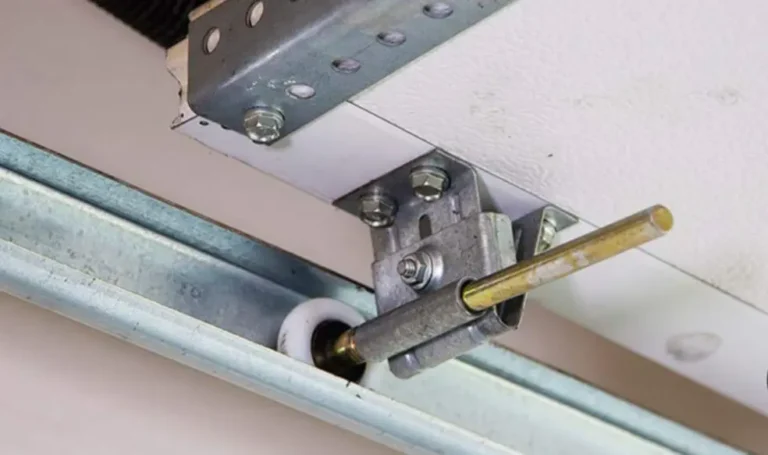
- Damaged rollers.
- Spring problems.
- Incorrect opener settings.
- Track obstructions.
A technician inspected one system where the owner had cleaned the sensors repeatedly with no success. The real issue was a slightly bent track that created resistance halfway through the closing cycle.
The opener was doing exactly what it was designed to do by stopping movement.
Ignoring repeated reversals can eventually create additional wear throughout the system.
5. The Garage Door Shakes or Vibrates
Smooth movement is a sign that components are working together properly.
Excessive shaking or vibration usually means something is loose or out of alignment.
Inspection findings frequently include:
- Loose bolts.
- Worn rollers.
- Track movement.
- Damaged hinges.
One garage door shook so much that items stored on nearby shelves would rattle every time it opened.
The owner expected a major repair.
The actual solution involved replacing worn rollers, tightening hardware, and making track adjustments.
Small repairs often restore smooth operation when problems are addressed early.
Bloomfield winters can loosen hardware over time because repeated temperature changes cause metal parts to expand and contract.
6. The Door Doesn’t Stay Open
A properly balanced garage door should remain in position when partially opened.
If it drifts downward or suddenly closes, the spring system may be losing tension.
This problem creates a safety concern because an unexpected closing door can cause injury or property damage.
One family noticed the door would slowly lower while unloading groceries.
The springs had weakened enough to affect balance but hadn’t completely failed.
Replacing them before total failure prevented a more expensive repair and reduced the risk of an accident.
Testing the balance should always be done carefully. Springs remain under significant tension and should only be repaired by trained professionals.
Residents looking for local maintenance advice and service information can also explore the company’s dedicated coverage for the Bloomfield community.
7. Your Garage Door Stops Working Completely
Sometimes a garage door gives plenty of warning.
Other times, it simply stops.
Possible causes include:
- Broken springs.
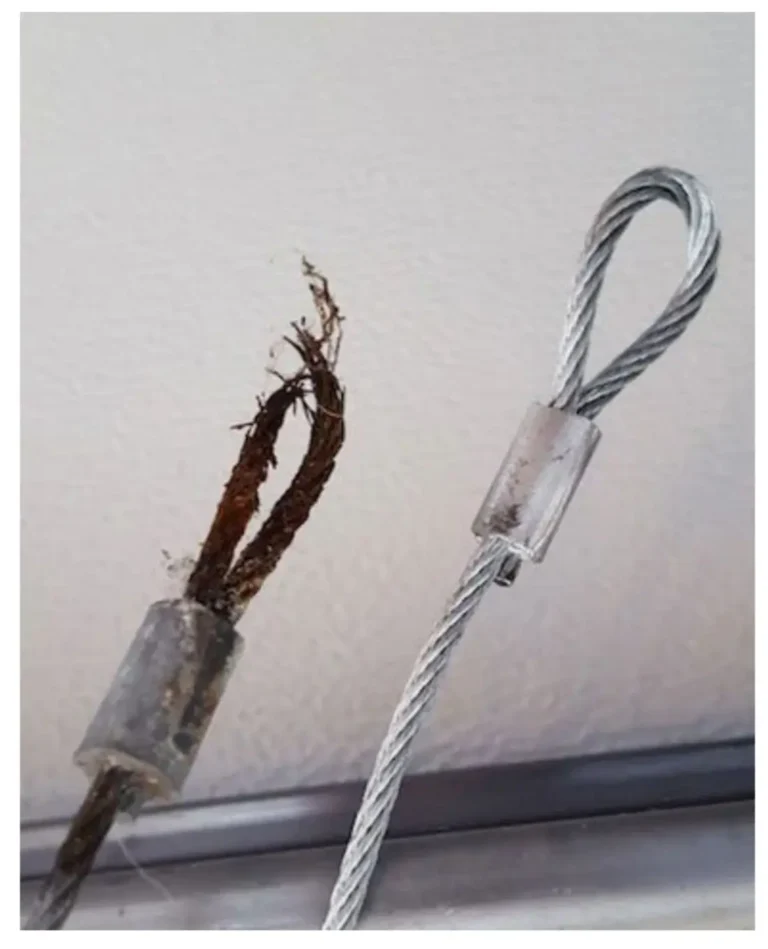
- Snapped cables.
- Failed openers.
- Damaged tracks.
- Electrical issues.
When a garage door suddenly won’t move, forcing it usually creates additional damage.
Disconnecting the opener and checking for obvious obstructions is reasonable.
If the problem isn’t immediately obvious, professional inspection is the safest approach.
Years of field experience have shown that most complete failures started with smaller warning signs that seemed unimportant at the time.
A noisy spring.
A crooked door.
A slow opener.
An occasional vibration.
Those little clues often appear weeks before the system finally stops working.
Garage doors work harder than many people realize. They move hundreds of times each year while supporting significant weight. Connecticut’s changing seasons only increase the stress placed on springs, rollers, tracks, and hardware.
Paying attention to small changes helps avoid larger repairs and unexpected emergencies.
Near the end of any inspection, one practical observation always stands out. Garage doors that receive routine maintenance usually experience fewer sudden breakdowns than systems that are ignored until something fails.
Entrilift Garage Door serves Bloomfield and nearby communities with repair and maintenance solutions backed by local experience. Scheduling an inspection through their contact page can help answer questions before minor issues become major repairs.
The best garage door repair is often the one that happens before a small problem turns into a costly emergency.
Have unusual garage door symptoms checked before they leave you stuck.
Frequently Asked Questions
How do I know if my garage door needs professional repair?
Strange noises, uneven movement, slow operation, broken springs, damaged cables, and unexpected reversing are all good reasons to have the system inspected.
Why is my garage door making a loud popping noise?
A popping sound often points to spring problems or hardware shifting under tension. It should be checked before further operation.
Can cold weather affect my garage door?
Yes. Connecticut winters can affect springs, rollers, tracks, lubrication, and opener performance.
Should I use my garage door if a spring is broken?
No. Operating a door with a broken spring can damage the opener and create a safety hazard.
Why does my garage door close and then open again?
Safety sensors, track issues, spring problems, or opener settings may be responsible.
How long do garage door springs usually last?
Most springs are rated for thousands of cycles, though actual lifespan depends on use and maintenance.
Is a shaking garage door dangerous?
Excessive vibration may indicate loose hardware or worn components that should be inspected.
How often should a garage door be serviced?
An annual inspection and maintenance appointment can help identify wear before major repairs become necessary.
Can I repair a garage door spring myself?
Garage door springs remain under high tension and should be repaired by trained professionals.
What should I do if my garage door won’t open?
Avoid forcing the system. Check for simple obstructions and arrange for a professional inspection if the cause isn’t obvious.