Garage Door Repair in Bloomfield CT is often needed during winter. A Bloomfield homeowner called a snowstorm because their garage door wouldn’t budge. The opener was working, but the door seemed frozen to the ground. They had tried pressing the remote several times, thinking the motor needed a little extra effort. Instead, the repeated attempts strained the opener and bent one of the support brackets. The original problem wasn’t electrical at all. Ice had formed along the bottom seal, locking the door to the concrete.
That situation is surprisingly common during Connecticut winters. Garage doors work hard throughout the year, but cold weather creates challenges that don’t exist during other seasons. Freezing temperatures affect springs, metal contracts, lubricants become thicker, and moisture can turn into ice in places where it shouldn’t be.
Understanding why winter causes more garage door problems can help prevent inconvenient breakdowns and expensive repairs. A little preparation before temperatures drop often saves both time and money.
Unexpected winter failures can happen without warning, and understanding how professional emergency garage door assistance works can help when a door refuses to open during severe weather.
Winter Changes Everything
Garage doors are made from steel, aluminum, wood, rubber, and moving mechanical parts.
Each material reacts differently to cold temperatures.
Metal contracts.
Rubber seals become stiff.
Lubricants thicken.
Moisture freezes.
These small changes combine to create additional stress throughout the system.
A garage door that worked perfectly in October may suddenly struggle after several weeks of freezing temperatures.
Bloomfield experiences cold winters with snow, ice, and repeated freeze-thaw cycles. Those changing conditions create ideal circumstances for garage door problems to develop.
Ice Can Trap a Garage Door
One of the simplest winter problems can also create some of the biggest headaches.
Snow melts during the day and refreezes overnight.
The bottom weather seal can freeze directly to the driveway.
A technician inspected one garage where the homeowner believed the opener had failed completely. The motor worked perfectly. The door simply couldn’t separate from the ice beneath it.
Pressing the opener repeatedly can damage brackets, strain the motor, and even pull sections of the door out of alignment.
A little warm water or careful ice removal is usually safer than forcing the system.
Springs Work Harder During Cold Weather
Garage door springs carry most of the door’s weight.
Cold temperatures don’t automatically break springs, but they can make existing wear more noticeable.
Older springs become brittle over time.
Small cracks that develop through years of operation may finally fail during winter.
A loud bang from the garage during cold weather often surprises families because nobody was using the door at the time.
Many broken springs actually fail while the door is closed because of built-up tension.
Understanding how spring systems operate is one reason regular garage door maintenance and repair services help reduce unexpected winter failures.
Cold Weather Affects Garage Door Openers
Many people assume the opener lifts the garage door.
It actually guides the movement while the springs do most of the heavy work.
If springs weaken during winter, the opener has to compensate.
Thicker lubricants and increased friction can also make the motor work harder.
One service call involved an opener that stopped halfway through every cycle.
The homeowner expected a replacement.
After inspection, old grease had hardened inside moving parts, creating resistance that overloaded the system.
Cleaning and proper lubrication solved the problem.
Tracks and Rollers Need Attention
Garage door tracks collect dirt throughout the year.
Winter introduces additional moisture, road salt, and debris.
Rollers moving through dirty tracks create friction.
Small alignment problems become more noticeable during cold weather.
Salt tracked into garages from vehicles can also contribute to corrosion over time.
Routine cleaning helps reduce unnecessary wear and keeps the system operating smoothly.
Connecticut Snow Adds Extra Weight
Heavy snowstorms can create unexpected garage door issues.
Snow piled against the outside of the door increases resistance.
Ice buildup around tracks affects movement.
Melting snow from vehicles introduces moisture that later freezes.
A Bloomfield resident recently noticed their garage door jerking during operation after a large storm.
Inspection showed packed snow had frozen near one track, restricting movement.
Removing the obstruction prevented additional damage.
Weather Seals Become Brittle
The rubber seal along the bottom of the garage door keeps out water, debris, and cold air.
Winter temperatures gradually harden the material.
Cracks allow moisture inside.
Gaps increase drafts.
Damaged weather seals can also freeze against the driveway more easily.
Replacing worn seals improves energy efficiency while helping prevent winter-related problems.
Residents interested in local maintenance recommendations can also review service information specific to the Bloomfield area.
Simple Winter Maintenance Makes a Difference
Many winter garage door repairs can be reduced through basic maintenance.
A few simple habits include:
- Keep tracks clean.
- Remove ice buildup carefully.
- Lubricate moving parts with products designed for garage doors.
- Check weather seals.
- Listen for unusual noises.
- Watch for uneven movement.
- Avoid forcing frozen doors.
Small inspections throughout the season often identify problems before they become emergencies.
Knowing When to Call a Professional
Some winter issues have simple solutions.
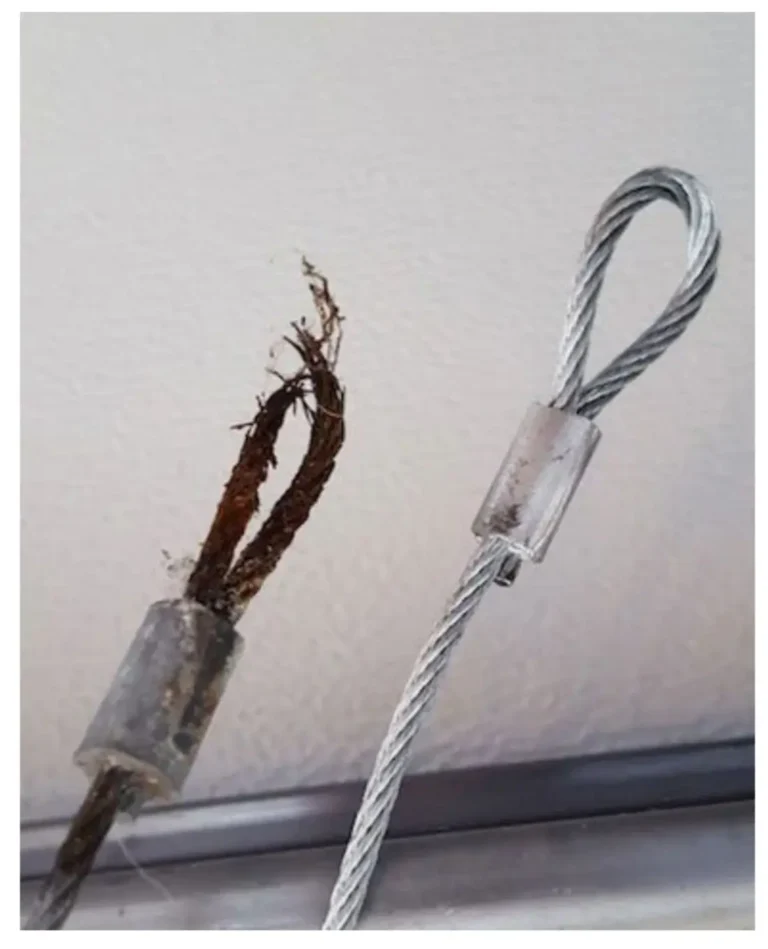
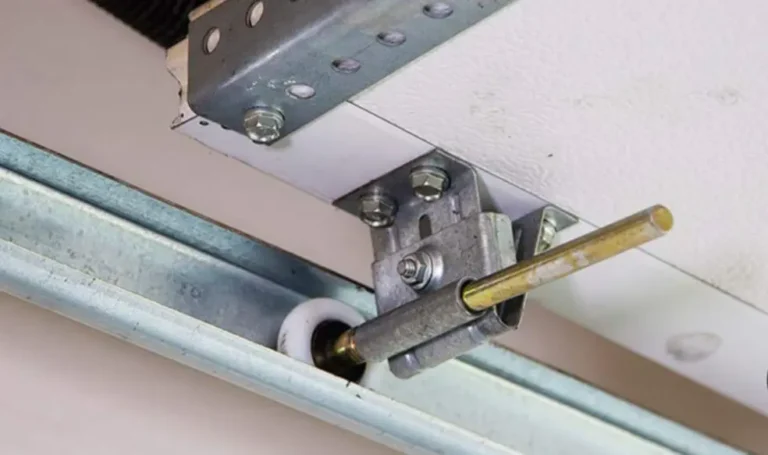
Others involve high-tension springs, damaged cables, or structural problems that require specialized equipment.
Warning signs include:
- Loud bangs.
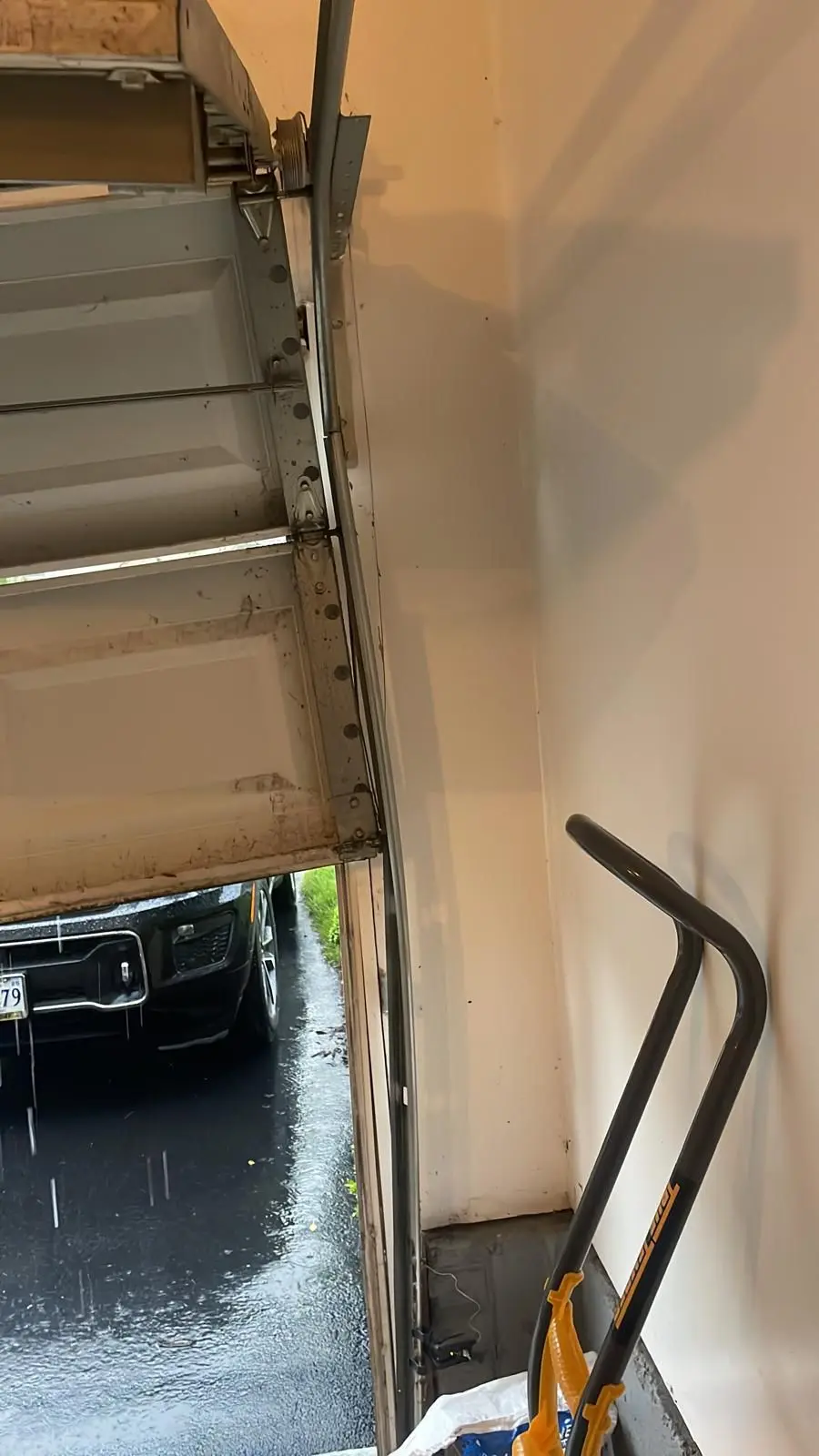
- Crooked doors.
- Broken springs.
- Frayed cables.
- Doors stuck halfway.
- Grinding noises.
- Sudden heavy operation.
Attempting complex repairs without proper training can increase the risk of injury and create additional damage.
Years of practical experience have shown that garage doors rarely fail without warning. Strange sounds, slower movement, and occasional sticking often appear long before complete breakdowns.
Winter simply accelerates existing wear.
Near the end of any cold season, one pattern becomes obvious. Garage doors receiving routine maintenance usually experience fewer emergency calls than systems left unattended for years.
Entrilift Garage Door provides local expertise for Bloomfield residents dealing with seasonal garage door concerns. Questions about winter maintenance or unexpected repairs can be addressed through their contact page.
A little winter preparation goes a long way toward avoiding a garage door emergency during Connecticut’s coldest months.
Have winter garage door concerns checked before freezing weather turns a small issue into a major repair.
Frequently Asked Questions
Why do garage doors break more often during winter?
Cold temperatures, ice, snow, thicker lubricants, and worn components all increase stress on garage door systems.
Can cold weather break a garage door spring?
Cold weather doesn’t directly break springs, but older, worn springs are more likely to fail during freezing conditions.
Why is my garage door frozen to the ground?
Melting snow and moisture can refreeze overnight, causing the bottom seal to stick to the driveway.
Should I force a frozen garage door open?
No. Forcing the door can damage the opener, brackets, and tracks.
Does snow affect garage door operation?
Yes. Snow and ice can block movement and create additional resistance.
Why is my garage door opener slow during winter?
Cold temperatures can thicken lubricants and increase friction throughout the system.
How often should a garage door be serviced before winter?
An annual inspection before cold weather arrives is a practical approach for most households.
Can road salt damage garage door parts?
Road salt and moisture can contribute to corrosion on metal components over time.
What’s the most common winter garage door repair?
Broken springs, frozen doors, opener strain, and worn rollers are among the most frequent winter service calls.
When should I call a professional for a winter garage door problem?
If the door is crooked, unusually heavy, makes loud noises, has broken springs or cables, or won’t operate safely, professional service is recommended.