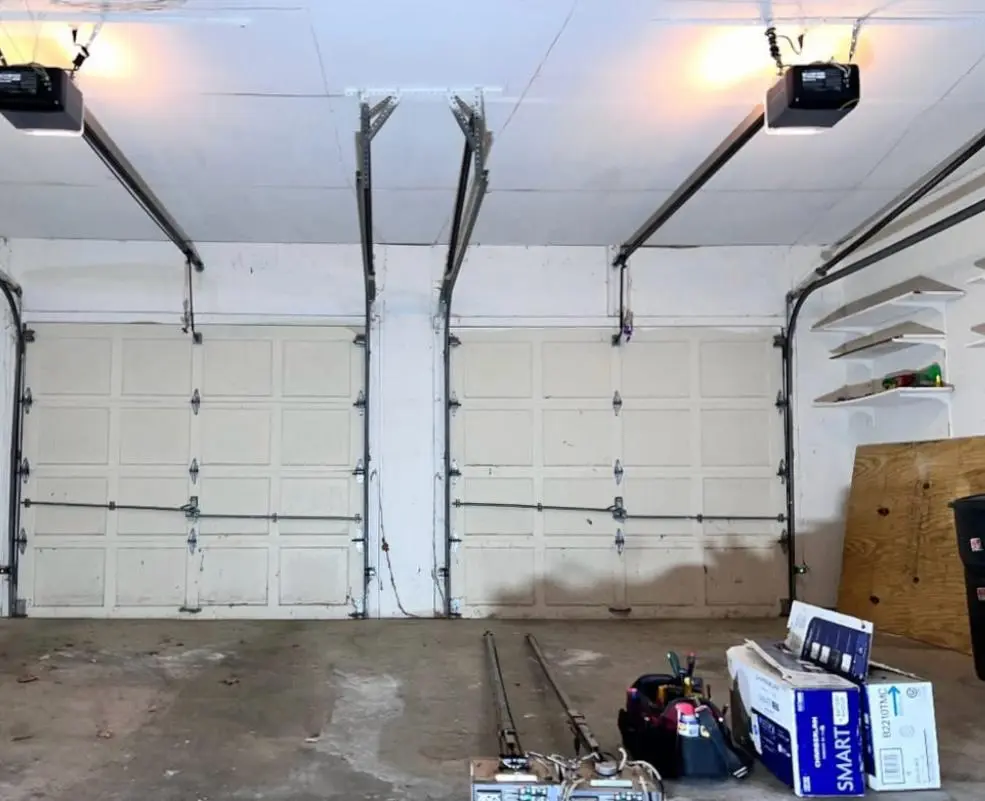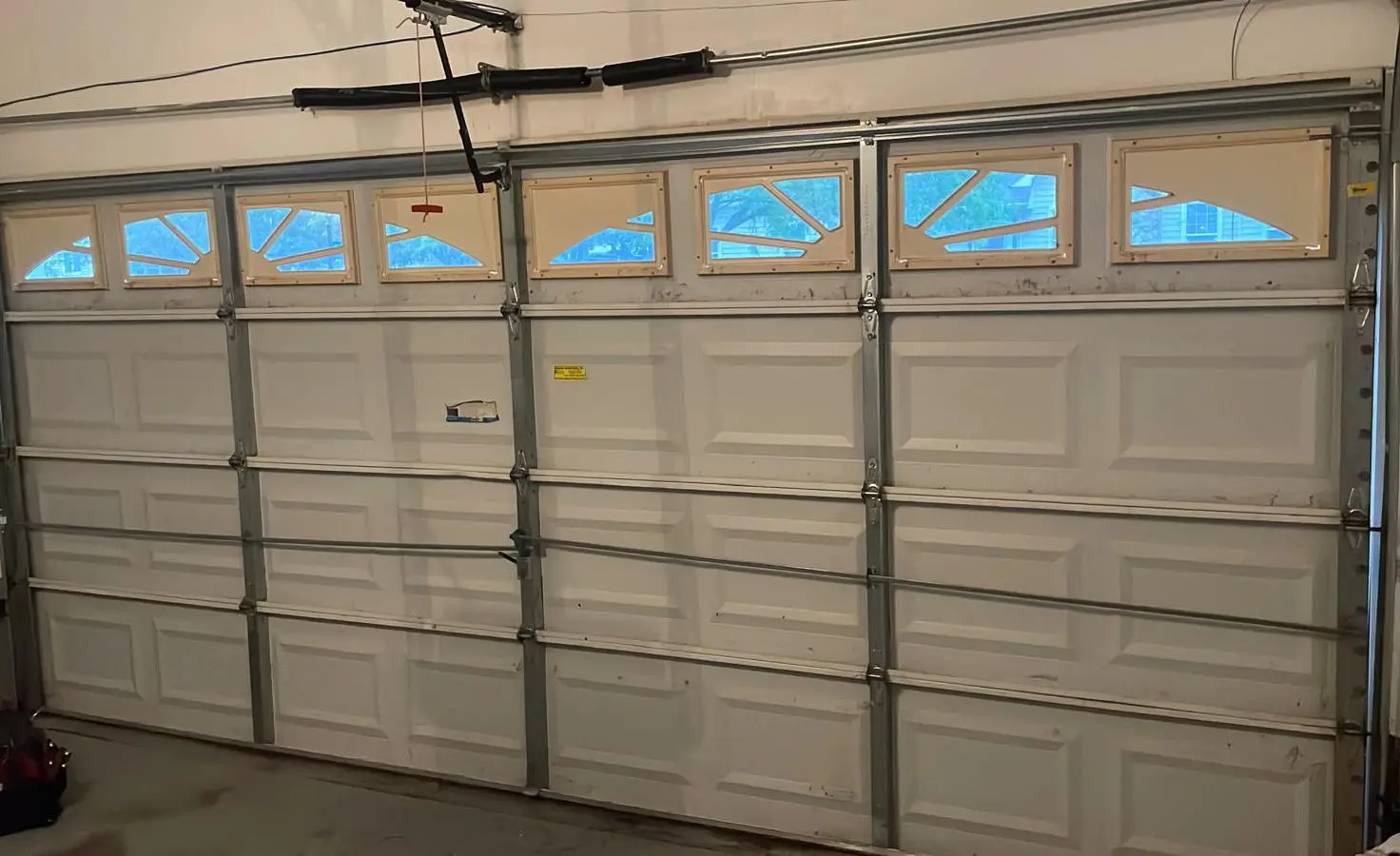
A Bloomfield homeowner called because their garage door had started making a loud grinding noise every morning. They expected a major repair and worried the opener was about to fail. After a quick inspection, the problem turned out to be much simpler. The rollers and hinges had gone years without lubrication, and several bolts had loosened from normal use. A routine tune-up, proper lubrication, and a few adjustments restored smooth operation. The repair cost far less than replacing damaged parts that would have eventually failed if the problem had been ignored.
Garage doors work hard every day. Many families use them as the primary entrance to their home, opening and closing several times before the day is over. Springs, rollers, tracks, cables, hinges, and openers all work together to move hundreds of pounds safely.
The good news is that basic maintenance doesn’t require advanced mechanical knowledge. A few simple habits can help reduce wear, improve reliability, and prevent expensive repairs.
Even with good maintenance, unexpected problems can happen. Understanding how professional emergency garage door repairs work can help if a sudden breakdown occurs.
Keep Moving Parts Properly Lubricated
Garage doors have many moving components.
Rollers rotate.
Hinges pivot.
Bearings move.
Springs flex.
Without lubrication, friction increases, and parts wear faster.
One inspection involved a garage door that squeaked loudly every time it opened. The owner thought the rollers needed replacement. They were actually in good condition but completely dry.
Applying a garage door lubricant restored quiet operation.
Use products specifically designed for garage doors instead of heavy grease or general-purpose oils that attract dirt.
Lubrication should focus on:
- Rollers.
- Hinges.
- Bearings.
- Springs.
- Pivot points.
Tracks should stay clean rather than heavily lubricated.
Listen for New Sounds
Garage doors naturally create some noise.
New sounds deserve attention.
Grinding.
Scraping.
Popping.
Squeaking.
Rattling.
These sounds often appear before larger problems develop.
A homeowner noticed a slight scraping noise but delayed having the system checked because the door still worked.
Inspection showed a loose bracket had allowed the track to shift slightly.
A quick adjustment prevented additional wear.
Small changes in sound often provide the earliest warning of developing problems.
Check the Hardware
Garage doors move hundreds of times every year.
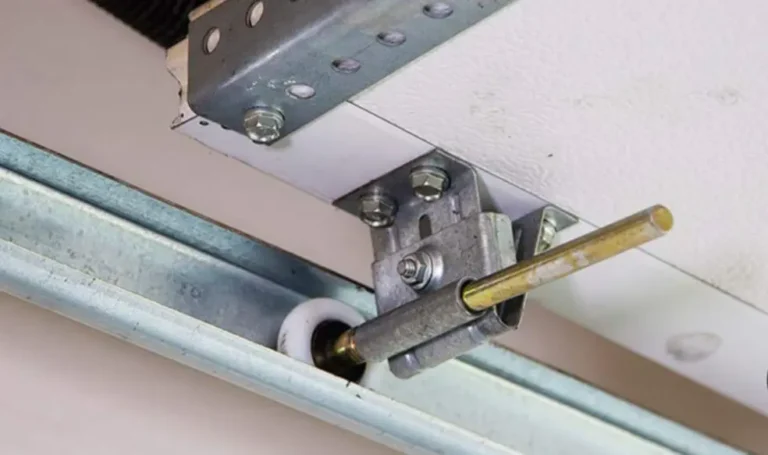
Constant vibration gradually loosens nuts, bolts, and brackets.
Loose hardware can affect alignment and increase wear throughout the system.
Visual inspections are simple.
Look for:
- Loose bolts.
- Bent brackets.
- Missing screws.
- Damaged hinges.
Tightening accessible hardware helps maintain proper operation.
High-tension components should always be left to trained professionals.
Routine garage door repair and maintenance services can identify developing issues before they become expensive repairs.
Keep Tracks Clean
Garage door tracks collect dust, dirt, leaves, and debris.
Bloomfield winters add snow, moisture, and road salt carried in by vehicles.
Dirty tracks create friction.
Rollers work harder.
Movement becomes less smooth.
Cleaning tracks with a soft cloth removes buildup.
Avoid using thick grease inside tracks because it traps additional dirt.
Clean tracks allow rollers to move more efficiently.
Inspect Weather Seals
The weather seal along the bottom of the garage door helps keep out water, dirt, insects, and cold air.
Connecticut’s weather gradually affects rubber materials.
Cold temperatures create cracks.
Heat causes wear.
Moisture encourages deterioration.
Damaged weather seals allow drafts and increase the chance of ice forming beneath the door during winter.
Replacing worn seals improves energy efficiency and protects the garage interior.
Test the Door Balance
Garage door springs support most of the door’s weight.
An unbalanced door places additional stress on the opener.
One homeowner believed their opener was failing because the door moved slowly.
Inspection showed weakened springs had gradually affected the balance.
The opener had been working harder to compensate.
If a disconnected garage door feels unusually heavy or won’t stay in position, professional inspection is recommended.
Spring systems remain under significant tension and should never be adjusted without proper equipment.
Check Safety Sensors
Modern garage doors include photo-eye sensors designed to prevent accidents.
Dust, dirt, or minor impacts can affect alignment.
Testing sensors is simple.
Place an object in the door’s path while closing.
The door should reverse direction.
One family discovered their sensors had shifted after moving storage boxes around the garage.
A quick adjustment restored proper operation.
Safety features deserve regular attention, especially in households with children and pets.
Watch for Wear on Cables and Rollers
Lift cables and rollers experience constant use.
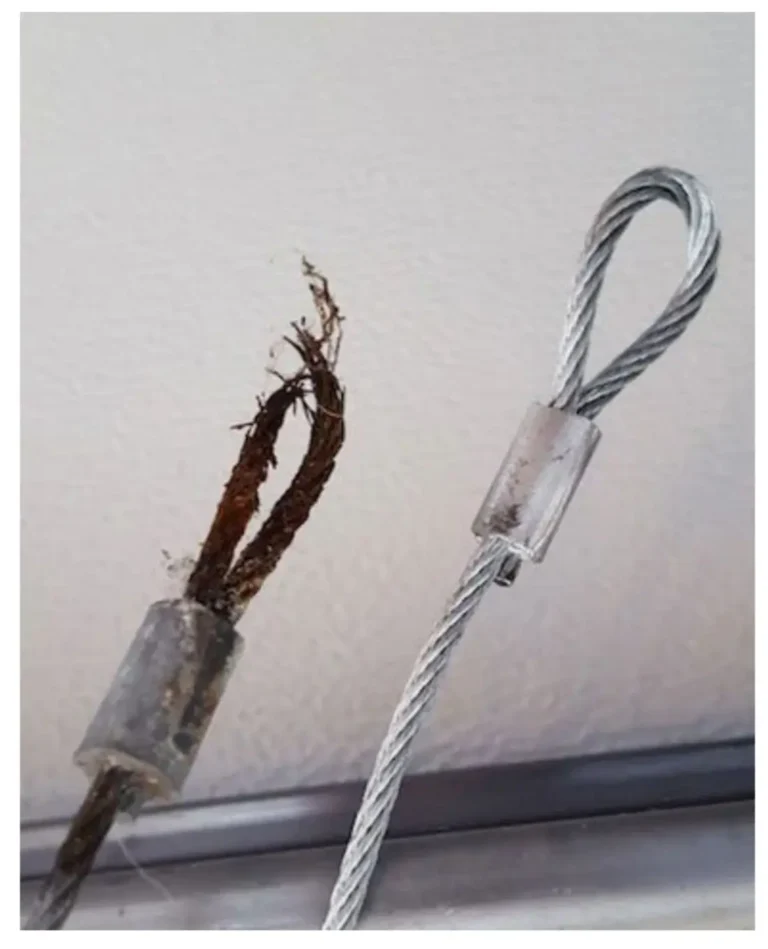
Frayed cables.
Cracked rollers.
Visible rust.
Flat spots.
These signs indicate wear.
A recent inspection found several broken strands in a lift cable during a routine maintenance visit.
The cable hadn’t failed yet, but replacing it prevented an emergency repair later.
Visual inspections help identify obvious problems before they become safety concerns.
Prepare for Seasonal Weather
Garage doors experience different challenges throughout the year.
Spring brings rain and pollen.
Summer introduces heat and humidity.
Autumn adds leaves and debris.
Winter creates snow and ice.
Bloomfield’s freeze-thaw cycles can affect metal parts and weather seals.
Seasonal inspections help prepare the system for changing conditions.
Simple tasks include:
- Cleaning tracks.
- Lubricating moving parts.
- Inspecting seals.
- Checking hardware.
- Testing safety features.
Residents interested in local service information can also explore maintenance recommendations for the Bloomfield service area.
Know When Maintenance Isn’t Enough
Basic maintenance helps reduce wear.
It doesn’t solve every problem.
Certain situations require professional attention.
Warning signs include:
- Broken springs.
- Frayed cables.
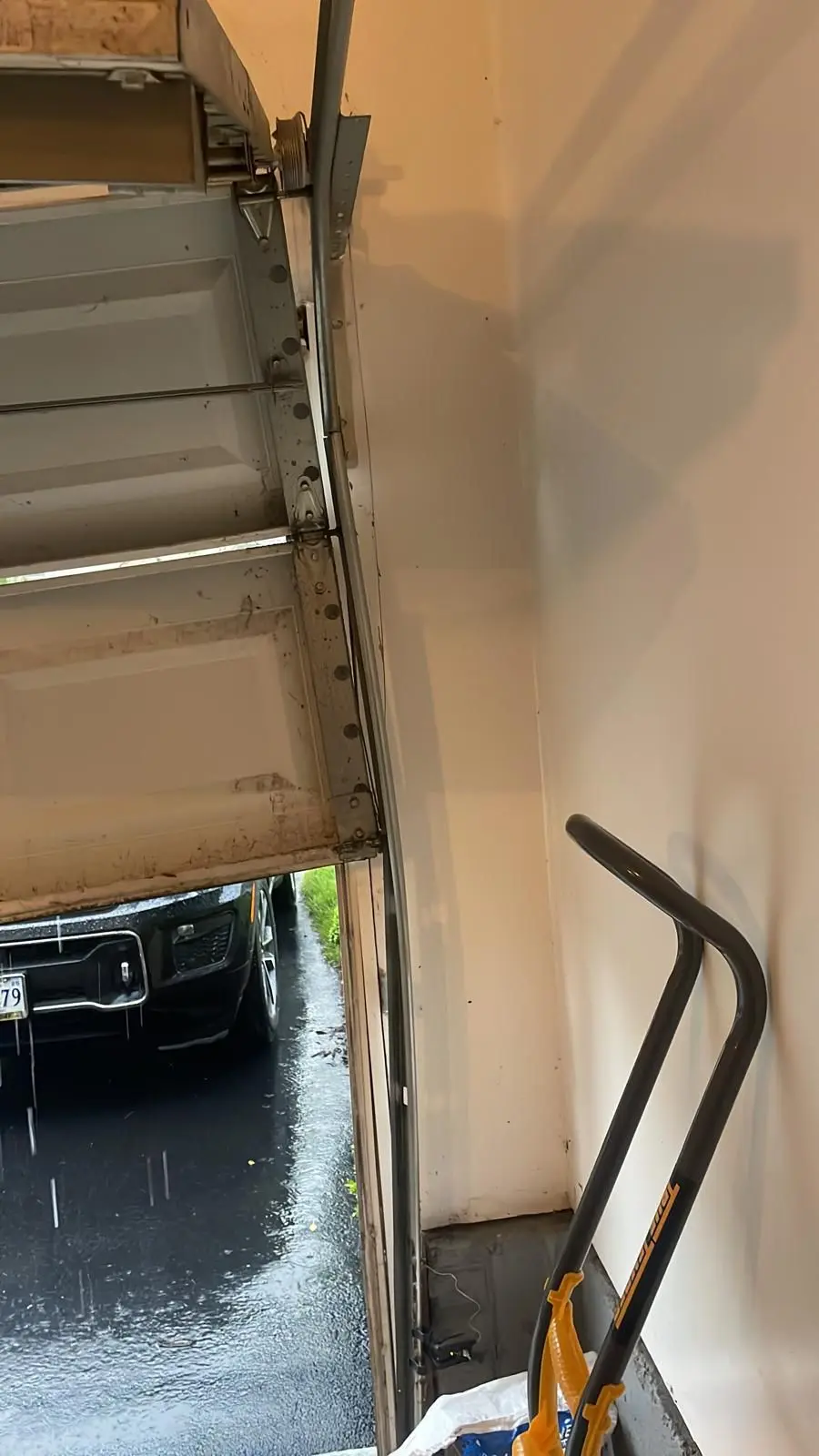
- Crooked doors.
- Loud bangs.
- Doors stuck halfway.
- Bent tracks.
- Excessive vibration.
Attempting major repairs without proper training can create safety risks and additional damage.
Years of practical experience have shown that garage doors usually provide a warning before complete failure.
A little noise.
A slight vibration.
Uneven movement.
Minor sticking.
Those small changes often indicate developing problems.
Regular maintenance helps identify issues early, improve reliability, and extend the life of the entire system.
Entrilift Garage Door helps Bloomfield residents maintain safe and dependable garage door systems throughout the year. Questions about maintenance schedules or inspections can be addressed through their contact page.
Simple maintenance today can help avoid expensive repairs tomorrow.
A few minutes of garage door care each season can save significant repair costs over time.
Frequently Asked Questions
How often should I lubricate my garage door?
Most garage doors benefit from lubrication every six months or as recommended by the manufacturer.
What should I use to lubricate garage door parts?
Garage door lubricants designed for moving hardware work better than heavy grease or general-purpose oils.
Should garage door tracks be lubricated?
Tracks should stay clean. Rollers and moving parts require lubrication instead.
How can I tell if my garage door needs maintenance?
Strange noises, slow movement, vibration, uneven operation, and visible wear are common signs.
How often should I inspect my garage door?
A basic visual inspection every few months and a professional annual inspection work well for most households.
Can I maintain my garage door myself?
Basic cleaning, lubrication, and visual checks are safe. High-tension spring and cable repairs should be left to professionals.
Why is my garage door louder than before?
Poor lubrication, worn rollers, loose hardware, or spring issues may be responsible.
How do I know if my weather seal needs replacement?
Cracks, gaps, drafts, water leaks, and visible wear indicate replacement may be needed.
Does seasonal weather affect garage doors?
Yes. Connecticut’s changing temperatures, snow, moisture, and humidity all affect garage door components.
When should I call a garage door professional?
If you notice broken springs, damaged cables, uneven movement, loud noises, or safety concerns, professional inspection is recommended.